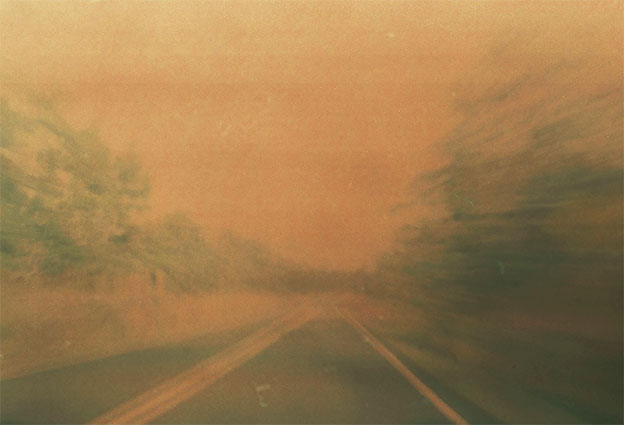
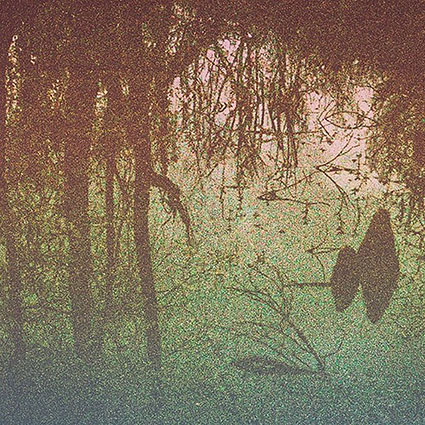
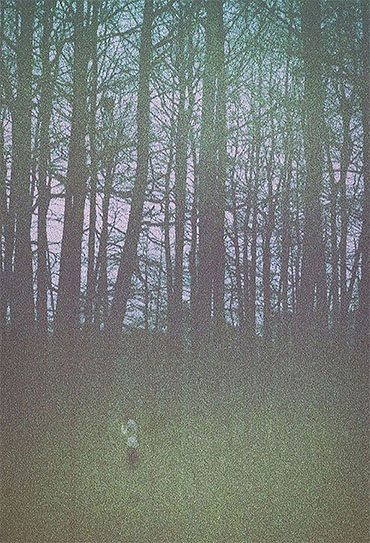
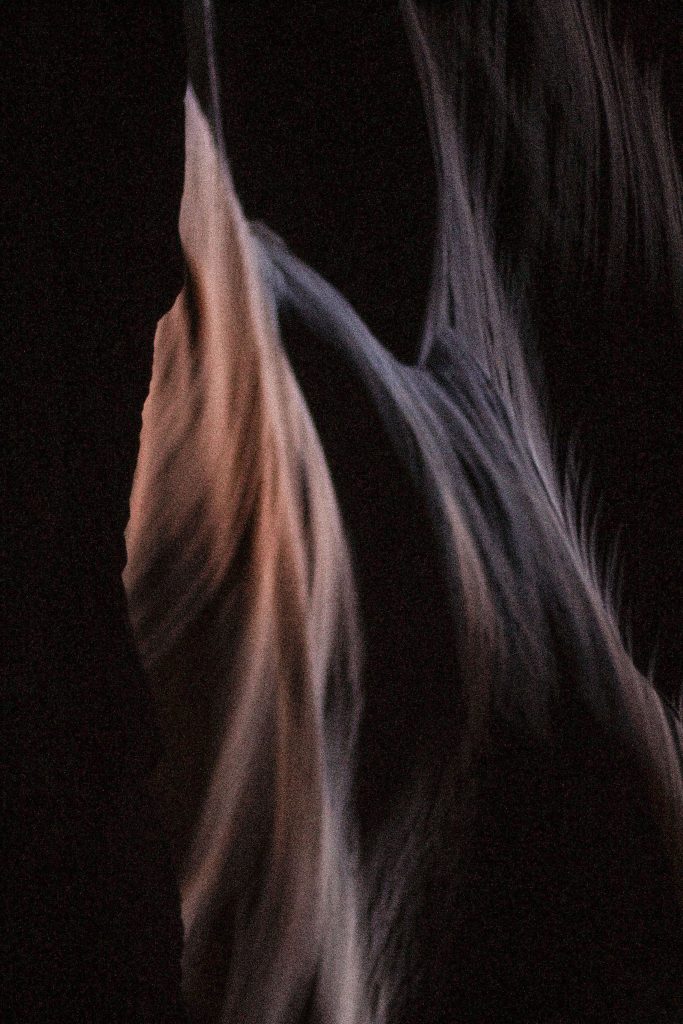
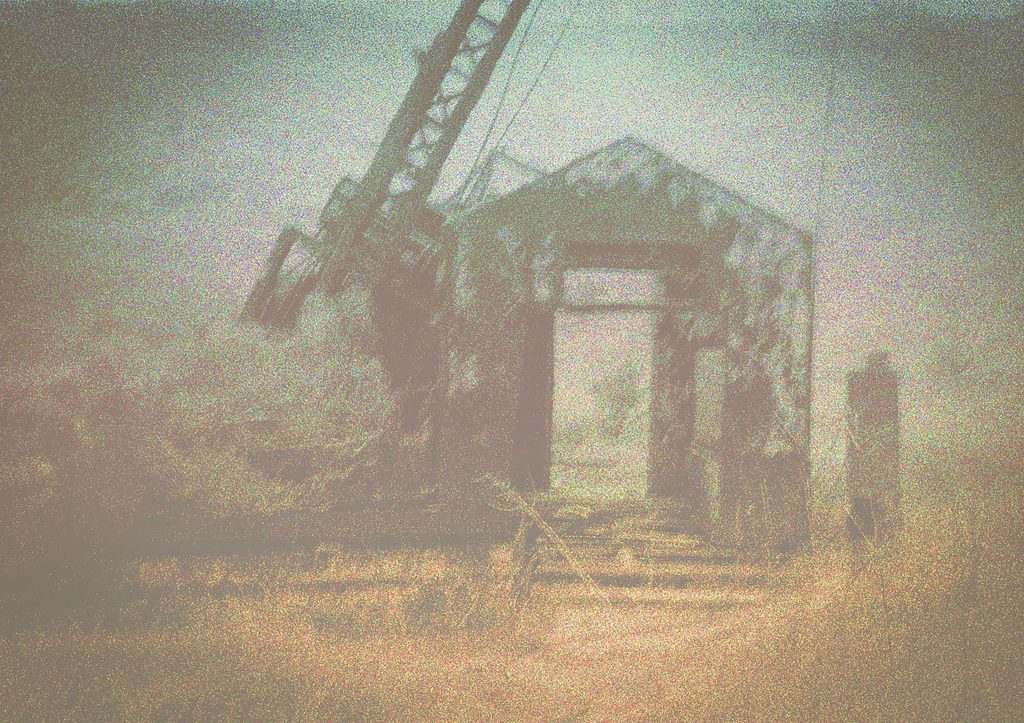
In the series Latence, Elsa Faudé transforms a journey along Route 66, from California to Louisiana, undertaken with her own mother, into a stream of consciousness, a space for revelation, transmission, and reclaiming. Physical movement thus becomes a symbolic gesture: travelling through these territories also means moving through the layers of a feminine history marked by silence and erasure. Throughout this road movie, latent images unfold as an emotional geography, an archaeology of the feminine in which the landscape acts as a sensitive body. It receives, carries, and imprints the traces of silent inheritances passed from mother to daughter, from one generation to the next. The image, both a surface for projection and a means of revelation, is inscribed within a fragmented temporality, where memories intertwine with dreams and the archive becomes tinged with fiction.
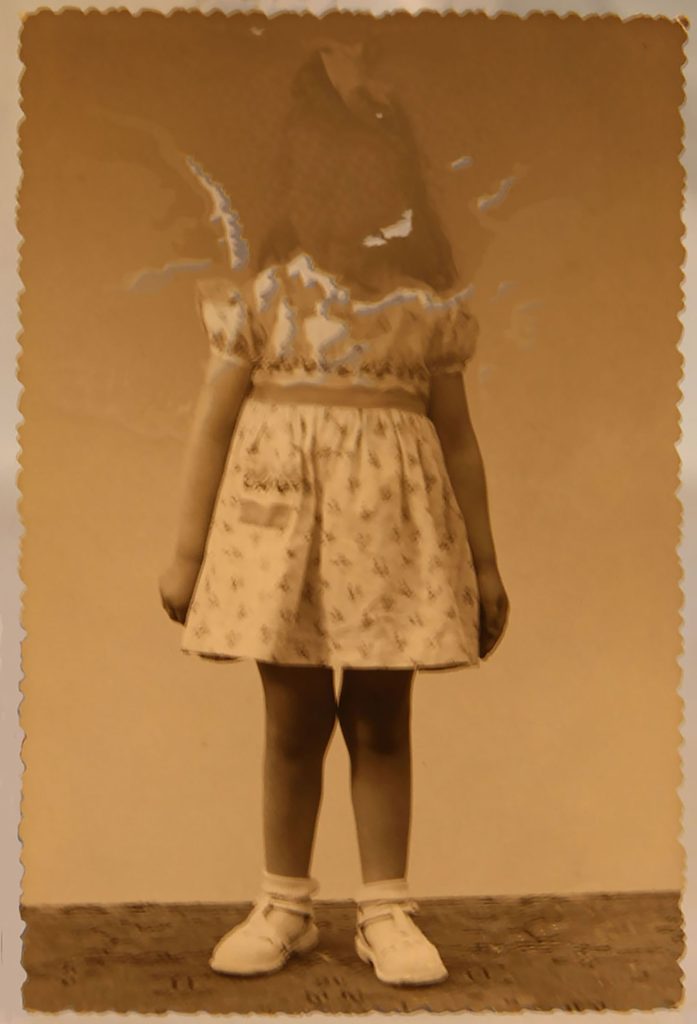
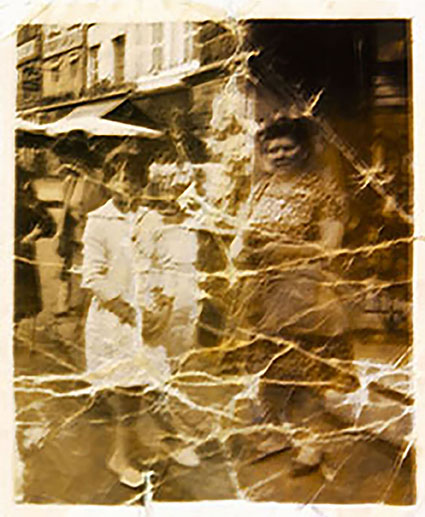
Indeed, in this space of transition between reality and imagination, past and present, the inner journey brings forth the absent figure of a grandmother who was affected during the Second World War. Long silenced and erased from family narratives, her absence becomes symptomatic of a broader inheritance: it raises questions about the invisible traces left by women relegated to the margins of collective memory, whose experiences, bodies, and suffering have rarely found a place in official history.
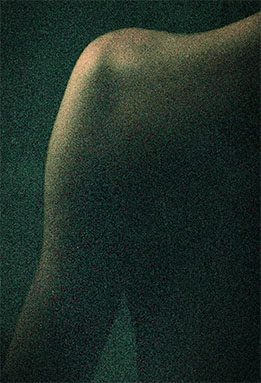
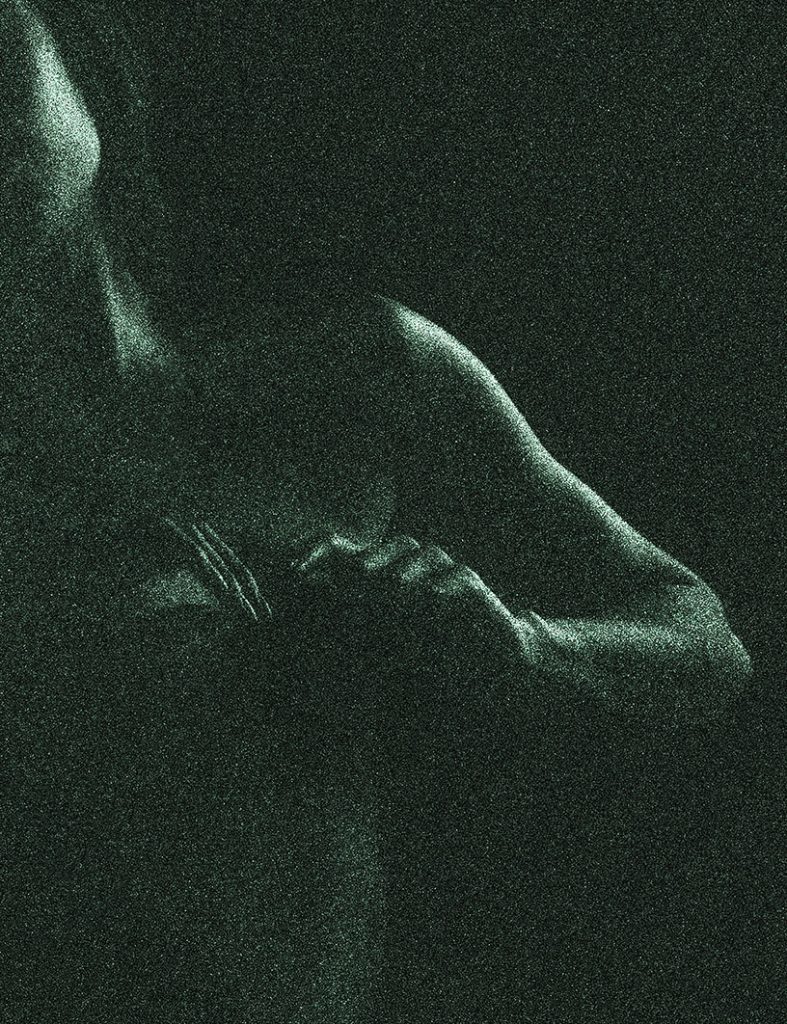
Photography, in this sense, does not merely document a journey. It inhabits the space between absence and presence in order to make the invisible visible, give form to what persists despite forgetting, and open up possible spaces of emancipation. At the intersection of the intimate and the political, Latence asserts dreaming and the inner journey as acts of resistance: spaces for reclaiming the body, reconstructing memory, and achieving female liberation.